Imagine building your dream business from scratch, only for an unforeseen disaster to wipe out your hard-earned efforts in the blink of an eye. This nightmare scenario is exactly why small business insurance is a game-changer for startups. Without it, you’re leaving your future up to chance, hoping that nothing goes wrong. But let’s face it; running a business is inherently risky.
In this guide, we’re diving deep into the world of small business insurance. From understanding the essential coverage every startup should have to navigating the complex landscape of insurance providers, we’re here to make sure you’re not leaving your business vulnerable. Trust me, with the right insurance, you’ll sleep a lot better at night.
Understanding Small Business Insurance
Did you know that 40% of small businesses never reopen after a disaster? That’s where insurance steps in to save the day. Small business insurance isn’t just a “nice-to-have”—it’s a lifeline for startups.
Without it, you risk losing everything you’ve built in the blink of an eye. Let’s dive into the nuts and bolts of why this coverage is crucial.
The Critical Role of Insurance in Startups
Here’s the deal: starting a business is risky. From property damage to lawsuits, the list of potential hazards is long. Small business insurance covers these risks and more. It acts as a safety net, allowing you to focus on growth instead of worrying about what could go wrong. Operating without insurance? You’re essentially walking a tightrope without a safety harness.
Common Risks Covered by Small Business Insurance
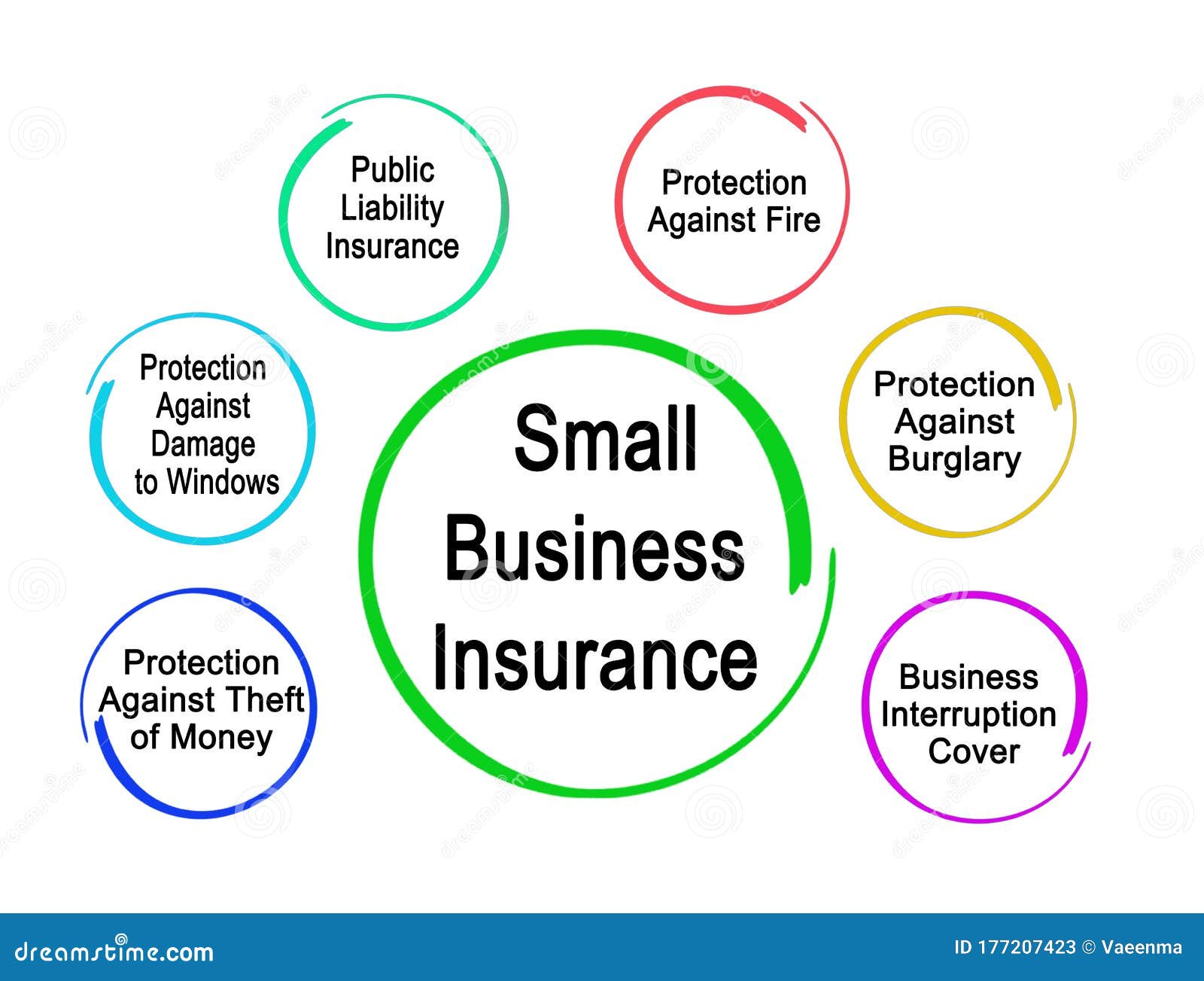
Ever thought about what would happen if a customer slipped and fell in your store? Or if a fire damaged your inventory? Small business insurance covers liabilities like these. Other common risks include theft, vandalism, and employee injuries. Pro Tip: Always read the fine print to understand exactly what your policy covers.
Consequences of Operating Without Insurance
Think you can get by without insurance? Consider this: without coverage, you could face enormous out-of-pocket expenses. If you’re sued, legal fees alone could sink your business. Even minor incidents can lead to major financial setbacks. Operating without insurance is a gamble you can’t afford to take.
Businesses That Reap the Most Benefits
Here’s the deal: some businesses need insurance more than others. Think high-risk industries like construction, food services, and retail. These sectors face unique challenges that make insurance indispensable. The truth is, no matter your industry, having coverage is a smart move. Protect your investment—it’s as simple as that.
Types of Small Business Insurance
Did you know that 40% of small businesses are likely to experience a property or liability loss in the next 10 years? That’s why understanding different types of insurance is crucial for protection.
Small business insurance isn’t a luxury. It’s a necessity. Whether you’re dealing with potential lawsuits, property damage, or employee-related risks, the right policy can save you from a financial disaster. Let’s break down the most essential kinds of coverage you can get.
General Liability Insurance vs. Professional Liability Insurance
Let’s talk about general liability insurance. This covers common risks like customer injury or property damage. It’s the bread and butter for most businesses. But what if you’re offering a service, not just a product? That’s where professional liability insurance steps in. This policy covers you against claims of negligence or mistakes in your services.
General liability is like your safety net for physical mishaps. Meanwhile, professional liability is your guard against the less tangible errors that could cost you big time.
Pro Tip: If you’re in a service industry, don’t skip professional liability. It could be the difference between surviving a lawsuit and closing your doors.
Benefits of Property Insurance for Small Businesses
Imagine a fire or theft wiping out your inventory overnight. Sounds terrifying, right? Property insurance is your shield against such nightmares.
This policy covers the physical assets of your business, including your building, equipment, and inventory. Without it, one catastrophe could lead to financial ruin. With it, you have peace of mind and a foundation to rebuild.
Quick Comparison of Insurance Types
Here’s a quick look at different types of insurance policies along with their coverage, average cost, and suitability. This will help you decide what’s best for your business.
| Insurance Type | Coverage | Cost | Suitability |
|---|---|---|---|
| General Liability | Injury & property damage | $400-$600/year | All businesses |
| Professional Liability | Negligence & errors | $600-$1,800/year | Service providers |
| Property Insurance | Buildings & contents | $500-$1,000/year | Businesses with physical assets |
Cost Factors in Small Business Insurance

Did you know that 40% of small businesses never reopen after a disaster? That’s why having insurance isn’t just nice—it’s crucial. But how much will it cost you?
The cost of your insurance is influenced by a cocktail of factors. Your industry, the size of your business, and even your location play a role. So, let’s untangle the web of costs and see how you can get the best bang for your buck.
Factors Influencing Insurance Costs
First off, the type of business you run makes a massive difference. A construction company will pay more than a flower shop. Why? Because of the risks involved. The more risk your business faces, the higher your premiums.
Your business size also matters. More employees? Higher costs. More revenue? Yep, that too. Location is another kicker. If you’re in an area prone to hurricanes or theft, your rates soar.
Estimating Premium Costs
Want a ballpark figure? Start by analyzing similar businesses. Check their rates and adjust based on your specifics. You could end up paying anywhere from a few hundred to several thousand dollars annually.
Step #1: Gather quotes from multiple insurers. Step #2: Compare based on coverage and cost. Here’s the deal: the cheapest policy isn’t always the best. Make sure it covers your key risks.
Pro Tip: Opt for a higher deductible to lower your premium costs—but make sure you can afford it if you need to claim.
Reducing Insurance Costs
Feeling the pinch? There are ways to trim those costs. Start by bundling different types of insurance. Many insurers offer discounts if you package policies together.
Review your coverage annually. As your business changes, your insurance should too. You don’t want to pay for coverage you don’t need.
- Increase your deductible.
- Implement safety training to reduce risk.
- Shop around and negotiate better rates.
- Maintain a good credit score for better premium rates.
- Ask for discounts, especially if you’ve been claims-free.
Selecting the Right Insurance Provider
Did you know that 75% of businesses are underinsured? This means that selecting the right insurance provider could make or break your small business.
But how do you know which provider is the best fit for you? Let’s dive into the key criteria you need to consider.
Criteria for Choosing a Reliable Insurance Provider
When it comes to choosing an insurance provider, reliability is king. Look for companies with a strong financial rating. This shows they can handle claims even during economic downturns. Also, consider their years in business. A provider with a proven track record is often more trustworthy.
Comparing Quotes from Different Companies
Getting multiple quotes is crucial. It helps you find the best coverage at the best price. Here’s how you can do it:
- Contact at least three insurers.
- Request detailed quotes that list all included coverages.
- Compare deductibles, premiums, and coverage limits.
Pro Tip: Use online comparison tools to streamline the process. These tools can show you side-by-side comparisons without the hassle.
The Role of Customer Service
Customer service can make or break your experience with an insurance company. A company with stellar customer service is often more responsive and helpful during claims. Test their customer service by calling them with questions. Are they quick to respond? Do they answer your questions thoroughly?
Insurance Provider Comparison
Here’s a quick comparison of some popular insurance providers:
| Provider Name | Rating | Customer Reviews | Key Features |
|---|---|---|---|
| Provider A | 4.5/5 | Positive | 24/7 Support, Flexible Plans |
| Provider B | 4.2/5 | Mixed | Comprehensive Coverage, Affordable Rates |
| Provider C | 4.8/5 | Highly Positive | Customizable Solutions, Fast Claims Processing |
Legal and Regulatory Considerations
Did you know that 40% of small businesses never reopen after a disaster? Insurance isn’t just a safety net—it’s a legal obligation. Failing to comply can sink your business.
Here’s the deal: Understanding the legal landscape of small business insurance is crucial. You need to know what regulations apply to your industry and how to navigate them. It’s not just about having coverage; it’s about having the right coverage.
Legal Obligations for Small Businesses Regarding Insurance
Every business, no matter how small, has a legal duty to protect its employees and assets. This means carrying workers’ compensation insurance if you have employees. Depending on your state, you might also need unemployment and disability insurance. Don’t overlook these obligations, or you might face hefty fines.
Impact of Industry Regulations on Insurance Requirements
Industry regulations can dramatically shape your insurance needs. If you’re in construction, you might need specific liability coverage. Own a restaurant? Think about liquor liability. These regulations are designed to protect not only your business but also your customers and the public.
Common Legal Issues Faced by Uninsured Small Businesses
Uninsured businesses face a slew of legal and financial troubles. From lawsuits due to accidents on your premises to fines for non-compliance, the risks are endless. The cost of a single lawsuit can be enough to bankrupt a small business. Don’t risk it.
- Research and understand the insurance requirements for your specific industry.
- Ensure compliance with state-specific insurance mandates.
- Regularly review and update your policies to align with changing regulations.
- Consult with a legal advisor to ensure your business is fully protected.
Pro Tip: Partner with an insurance professional who understands the nuances of your industry. They can help tailor your coverage to meet legal requirements and protect against common risks.
Case Studies and Real-Life Examples
Did you know that 40% of small businesses never reopen after a disaster? This shocking stat underscores the importance of insurance. Let’s dive into some real-life stories that highlight why small business insurance is a game changer.
Through these case studies, you’ll see how insurance saved the day for some businesses and how the lack of it spelled disaster for others. Learn from their experiences and make informed decisions to protect your business.
Small Business Saved by Insurance During a Natural Disaster
Meet Emily, the owner of a quaint coffee shop nestled in a bustling downtown area. When a hurricane swept through her town, it left many businesses in ruins. BUT Emily’s shop bounced back quickly. Why? Because she had business interruption insurance. This coverage didn’t just compensate her for physical damage; it also covered lost revenue during the repair period.
“Having insurance was like a safety net. It saved my business and my peace of mind.” – Emily, Coffee Shop Owner
Lessons from an Uninsured Business Facing Bankruptcy
Then there’s Joe, who ran a popular food truck. Joe believed insurance was an unnecessary expense. Disaster struck when a fire engulfed his truck, leaving him with nothing. He faced bankruptcy and learned the hard way that not having insurance is a gamble you can’t afford to take.
“I thought I was saving money by skipping insurance. I was wrong. It cost me everything.” – Joe, Former Food Truck Owner
Success Story: Managing Risks with Comprehensive Coverage
On the flip side, we have Sarah, who owns a thriving online boutique. She knew her growing business needed protection, so she invested in comprehensive insurance that covered everything from cyber threats to inventory loss. When her website was hacked, the insurance kicked in to cover the recovery costs, keeping her online store afloat.
“Insurance gave me confidence to expand my business without fear of unforeseen risks.” – Sarah, Online Boutique Owner
Here is the deal: Insuring your business is not just about compliance or ticking a box. It’s about safeguarding your dream and ensuring its longevity. Learn from these stories and make the smart choice for your business’s future.
Summary
In the end, safeguarding your business with the right insurance isn’t just a smart move—it’s essential. With the right policies in place, you can focus on what you do best: growing your business and serving your customers. Don’t wait for disaster to strike before you take action. Invest in your business’s future today with the right small business insurance.
Q&A
What is small business insurance?
Small business insurance is a type of coverage designed to protect your business from financial losses due to unforeseen events like accidents, lawsuits, or property damage.
Why is small business insurance important for startups?
It protects startups from potential risks and liabilities that could otherwise result in significant financial losses, ensuring business continuity.
What are the common types of small business insurance?
Common types include general liability insurance, professional liability insurance, property insurance, and workers’ compensation insurance.
How can I reduce the cost of small business insurance?
To reduce costs, consider bundling policies, increasing your deductible, and implementing risk management strategies to lower your risk profile.
Are there legal requirements for small businesses to have insurance?
Yes, depending on your location and industry, there may be legal requirements to carry certain types of insurance, like workers’ compensation or liability insurance.
